Caroline Arapoglou is an artist and filmmaker known for her psychologically charged and visually striking work. Her films and installations often explore themes of identity, memory, and the relationship between the personal and the political.
Arapoglou's work has been exhibited internationally, including at the Venice Biennale, the Tate Modern, and the Museum of Modern Art in New York. Her films have also been screened at major film festivals such as the Cannes Film Festival and the Toronto International Film Festival.
Arapoglou's work has been praised for its originality, its emotional power, and its ability to challenge viewers' assumptions about the world. She is considered one of the most important artists of her generation.
Caroline Arapoglou
Caroline Arapoglou is an artist and filmmaker known for her psychologically charged and visually striking work. Her films and installations often explore themes of identity, memory, and the relationship between the personal and the political.
- Artist: Arapoglou is a visual artist who works in a variety of media, including film, photography, and sculpture.
- Filmmaker: Arapoglou is also a filmmaker, and her films have been screened at major film festivals around the world.
- Psychologically charged: Arapoglou's work often explores psychological themes, such as identity, memory, and trauma.
- Visually striking: Arapoglou's work is also known for its visual beauty, and she often uses striking imagery to create a sense of atmosphere and mood.
- Identity: Arapoglou's work often explores themes of identity, both personal and political.
- Memory: Arapoglou's work also often explores themes of memory, and she is interested in how memory can shape our understanding of the present.
- Personal and political: Arapoglou's work often explores the relationship between the personal and the political, and she is interested in how personal experiences can be used to illuminate larger political issues.
Arapoglou's work has been praised for its originality, its emotional power, and its ability to challenge viewers' assumptions about the world. She is considered one of the most important artists of her generation.
| Name | Born | Nationality | Occupation |
|---|---|---|---|
| Caroline Arapoglou | 1972 | Greek | Artist and filmmaker |
Artist
Caroline Arapoglou is a visual artist whose work spans a variety of media, including film, photography, and sculpture. This multifaceted approach allows her to explore her themes of identity, memory, and the relationship between the personal and the political from multiple perspectives.
- Film: Arapoglou's films often explore the psychological and emotional lives of her characters. Her films are known for their striking visuals and their ability to create a sense of atmosphere and mood.
- Photography: Arapoglou's photographs often explore themes of identity and memory. Her photographs are often staged and composed, and they often feature everyday objects and materials.
- Sculpture: Arapoglou's sculptures often explore the relationship between the body and the space around it. Her sculptures are often made from found objects and materials, and they often have a sense of fragility and impermanence.
Arapoglou's work has been praised for its originality, its emotional power, and its ability to challenge viewers' assumptions about the world. She is considered one of the most important artists of her generation.
Filmmaker
Caroline Arapoglou's work as a filmmaker is an important part of her overall artistic practice. Her films often explore the same themes of identity, memory, and the relationship between the personal and the political that are present in her other work.
Arapoglou's films have been praised for their originality, their emotional power, and their ability to challenge viewers' assumptions about the world. Her films have been screened at major film festivals around the world, including the Cannes Film Festival, the Toronto International Film Festival, and the Venice Film Festival.
Arapoglou's success as a filmmaker has helped to raise her profile as an artist and has brought her work to a wider audience. Her films have also helped to shape the way that we think about the relationship between art and film.
Psychologically charged
Caroline Arapoglou's work is often psychologically charged, exploring themes of identity, memory, and trauma. This focus on psychological themes is evident in many of her films and installations, which often feature characters who are struggling with their own personal demons.
For example, her film "The Eternal Return" follows a woman who is haunted by the memories of her past. The film explores the psychological effects of trauma and the ways in which it can shape our lives.
Arapoglou's work is important because it sheds light on the psychological challenges that many people face. Her work can help us to understand ourselves and others better, and it can also help us to find ways to cope with our own psychological struggles.
Visually striking
Caroline Arapoglou's work is visually striking, and she often uses striking imagery to create a sense of atmosphere and mood. This is evident in all of her work, from her films to her photographs to her sculptures.
In her films, Arapoglou often uses striking visuals to create a sense of unease or disorientation. For example, in her film "The Eternal Return," she uses long, slow shots of empty landscapes and deserted buildings to create a sense of isolation and dread.
In her photographs, Arapoglou often uses striking imagery to explore themes of identity and memory. For example, in her series "The Unseen," she photographs everyday objects and materials in a way that makes them seem strange and unfamiliar. This helps to create a sense of mystery and intrigue, and it encourages viewers to question their own assumptions about the world around them.
Arapoglou's use of striking imagery is an important part of her work. It helps her to create a sense of atmosphere and mood, and it encourages viewers to engage with her work on a deeper level.
Identity
Caroline Arapoglou's work often explores themes of identity, both personal and political. This is evident in her films, photographs, and sculptures, which often feature characters and subjects who are struggling with their own sense of identity.
For example, her film "The Eternal Return" follows a woman who is haunted by the memories of her past. The film explores the psychological effects of trauma and the ways in which it can shape our sense of identity.
In her photographs, Arapoglou often explores themes of identity and memory. For example, in her series "The Unseen," she photographs everyday objects and materials in a way that makes them seem strange and unfamiliar. This helps to create a sense of mystery and intrigue, and it encourages viewers to question their own assumptions about the world around them.
Arapoglou's work is important because it sheds light on the challenges that many people face in forming a strong sense of identity. Her work can help us to understand ourselves and others better, and it can also help us to find ways to cope with our own struggles with identity.
Memory
Caroline Arapoglou's work often explores themes of memory, and how our memories can shape our experiences of the present. This is evident in her films, which include The Eternal Return and Lethe.
- Personal Memory: Arapoglou's work often explores how personal memories can shape our understanding of ourselves and our relationships with others. For example, in her film The Eternal Return, the protagonist is haunted by memories of her past, causing her to question her present reality.
- Collective Memory: Arapoglou's work also explores how collective memories can shape our understanding of the present. For example, in her film Lethe, the protagonist is part of a group of people who are trying to forget their past in order to move on with their lives.
- Memory and Trauma: Arapoglou's work often explores the relationship between memory and trauma. For example, in her film The Eternal Return, the protagonist is struggling to come to terms with a traumatic event in her past.
- Memory and Identity: Arapoglou's work also explores the relationship between memory and identity. For example, in her film Lethe, the protagonist is struggling to find her identity after losing her memory.
Arapoglou's work on memory is important because it helps us to understand the role that memory plays in our lives. Her work shows us that our memories can be both a source of strength and a source of pain; they can help us to understand ourselves and others, but they can also hold us back from moving on with our lives.
Personal and political
Caroline Arapoglou's work often explores the relationship between the personal and the political. She is interested in how personal experiences can be used to illuminate larger political issues. This is evident in many of her films and installations, which often feature characters who are struggling with their own personal demons, as well as with the larger political forces that shape their lives.
For example, her film "The Eternal Return" follows a woman who is haunted by the memories of her past. The film explores the psychological effects of trauma and the ways in which it can shape our lives. However, the film also explores the political forces that have shaped the woman's life, such as the war in her home country.
Arapoglou's work is important because it helps us to understand the ways in which personal experiences are shaped by political forces. Her work also shows us how personal experiences can be used to resist political oppression.
Arapoglou's work is a powerful reminder that the personal is always political. Our personal experiences are shaped by the political forces that shape our world, and our personal stories can be used to resist political oppression.
FAQs about Caroline Arapoglou
Caroline Arapoglou is a visual artist and filmmaker known for her psychologically charged and visually striking work. She is considered to be one of the most important artists of her generation.
Question 1: What are the main themes that Arapoglou explores in her work?
Arapoglou's work often explores themes of identity, memory, and the relationship between the personal and the political.
Question 2: What is Arapoglou's artistic style like?
Arapoglou's work is known for its striking visuals and its ability to create a sense of atmosphere and mood.
Question 3: What is Arapoglou's background?
Arapoglou was born in Athens, Greece, in 1972. She studied at the Athens School of Fine Arts and the Rijksakademie van beeldende kunsten in Amsterdam.
Question 4: What are some of Arapoglou's most well-known works?
Some of Arapoglou's most well-known works include the films "The Eternal Return" and "Lethe", and the installation "The Unseen".
Question 5: What awards and recognition has Arapoglou received?
Arapoglou has received numerous awards and recognitions for her work, including the Golden Lion at the Venice Biennale in 2009.
Question 6: Where can I see Arapoglou's work?
Arapoglou's work has been exhibited at major museums and galleries around the world, including the Museum of Modern Art in New York, the Tate Modern in London, and the Centre Pompidou in Paris.
Summary of key takeaways or final thought: Caroline Arapoglou is a highly accomplished and influential artist whose work continues to challenge and inspire audiences around the world.
Transition to the next article section: Caroline Arapoglou's work has been the subject of much critical and scholarly analysis. In the next section, we will explore some of the key interpretations of her work.
Tips from Caroline Arapoglou
Caroline Arapoglou is a visual artist and filmmaker known for her psychologically charged and visually striking work. She is considered to be one of the most important artists of her generation. Arapoglou's work often explores themes of identity, memory, and the relationship between the personal and the political.
Here are some tips from Caroline Arapoglou's work:
Tip 1: Embrace the power of personal storytelling.
Arapoglou's work often draws on her own personal experiences. She believes that personal stories have the power to connect with others and to illuminate larger political and social issues.
Tip 2: Use visual imagery to create a sense of atmosphere and mood.
Arapoglou's work is known for its striking visuals. She uses color, light, and composition to create a sense of atmosphere and mood. Her work often explores the psychological effects of trauma and violence.
Tip 3: Challenge conventional narratives.
Arapoglou's work often challenges conventional narratives about history, memory, and identity. She is interested in exploring the hidden and forgotten stories of marginalized people.
Tip 4: Be open to experimentation.
Arapoglou is not afraid to experiment with different artistic mediums and techniques. She is constantly pushing the boundaries of what is possible in art.
Tip 5: Use art to make a difference in the world.
Arapoglou believes that art can be a powerful tool for social change. She uses her work to raise awareness of important issues and to challenge injustice.
Summary of key takeaways or benefits: Caroline Arapoglou's work is a powerful reminder of the power of personal storytelling, the importance of visual imagery, and the need to challenge conventional narratives. Her work is an inspiration to artists and activists around the world.
Transition to the article's conclusion: Caroline Arapoglou is a truly unique and visionary artist. Her work is a powerful testament to the power of art to change the world.
Conclusion
Caroline Arapoglou is a groundbreaking artist whose work has had a profound impact on the art world. Her unique style and fearless exploration of difficult subjects have earned her international acclaim and recognition.
Arapoglou's work challenges us to confront our own memories, identities, and the political forces that shape our lives. Her art is a powerful reminder of the power of storytelling and the importance of using our voices to speak out against injustice.
Woman From National Lampoon's Christmas Vacation
What's The Difference Jokes
Obesity Jokes
Caroline Arapoglou Biography, Height & Life Story Super Stars Bio
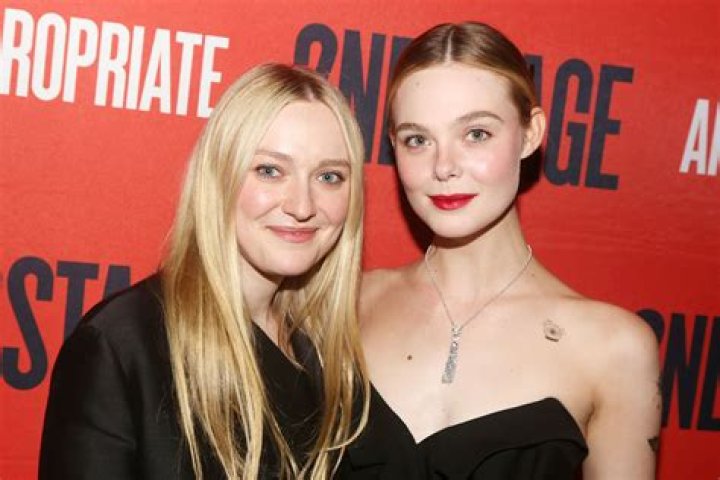
Caroline Arapoglou “Stranger Things” TV Show Season 3 Premiere in LA
Caroline Arapoglou “Stranger Things” TV Show Season 3 Premiere in LA